


Guide: Journal Impact
The impact, quality and influence of scientific journals are assessed using various citation metrics, drawn from leading scientific databases such as Web of Science and Scopus. The metrics provided by each of these databases are set out below, including the Journal Impact Factor (JIF), CiteScore, quartiles and percentiles.
It is important to bear in mind that, if you are looking for a journal metric for an article published in a specific year, you must select that same year of publication, and not the most recent one. For example, for an article published in a journal in 2023, you must check the journal’s metric for 2023.
If the article was published in the current year, for which the official metric has not yet been published, it is acceptable to use the value from the previous year.
Sources
The Journal Citation Reports database uses metrics from the Web of Science Core Collection to calculate the Journal Impact Factor (JIF) and produce a ranking according to various subject categories.
Journal Impact Factor (JIF)
A metric that divides the citations received by a journal by the number of articles published over the previous two years.
How do I check a journal’s JIF?
- Go to Journal Citation Reports (JCR).
- Search for the journal by its title or ISSN.
- Once you are on the journal’s profile page, select the year you wish to view.
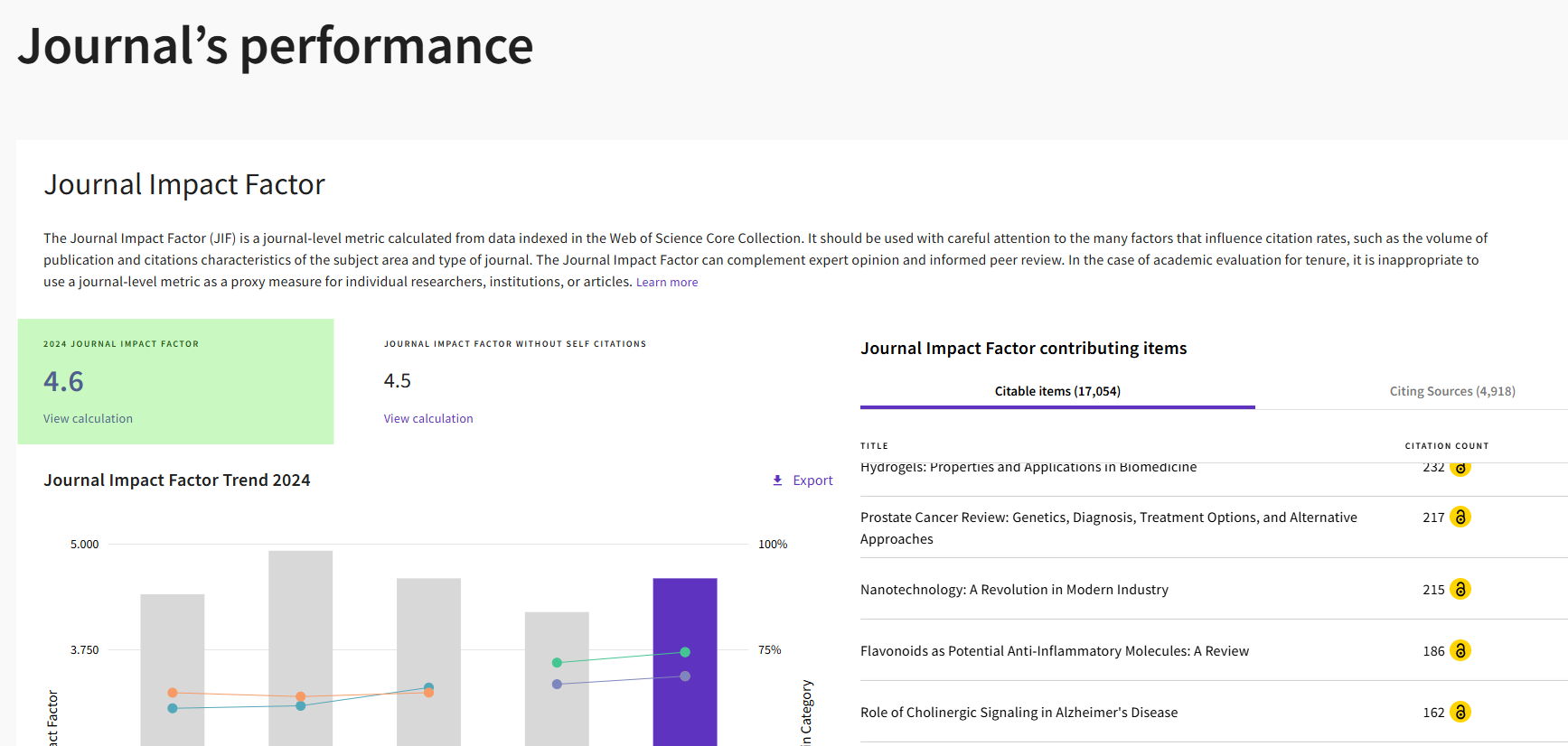
- Scroll down to the Journal’s Performance > Journal Impact Factor section. There you will find the JIF for the journal for the selected year.
Quartile and percentile
Metrics that provide context for the JIF, as this is a ranking that lists journals in descending order according to their JIF value within a specific scientific category.
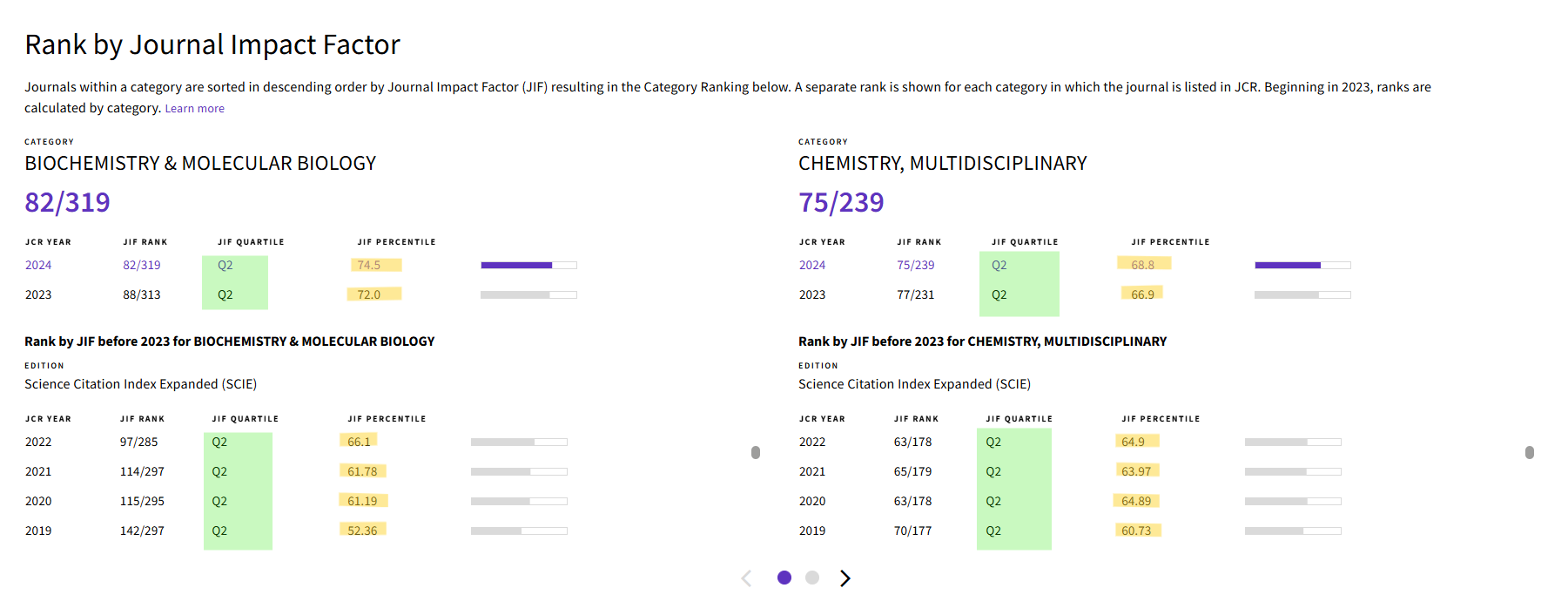
- Quartile: The ranking is divided into four distinct ranges: Q1, Q2, Q3 and Q4. A Q1 journal has a greater impact than 75 per cent of the journals in that same category.
- Percentile: The percentage that corresponds to the journal’s position within the ranking. If a journal is found on the 85th percentile, this means it has a greater impact than 85% of the journals in the same category.
How do I find out the quartile and percentile of a journal?
- Access Journal Citation Reports (JCR).
- Search for the journal by its title or ISSN.
- Once you are on the journal’s profile page, select the year you wish to view.
- Scroll down to the Rank by Journal Impact Factor section, where you will find the various rankings according to the journal’s subject categories.

In the Sources section of Scopus, the journals included in this database are indexed and classified according to their impact factor. For each journal, various metrics are provided, such as CiteScore, SCImago Journal Rankings (SJR), SNIP and the percentile.
How do I view the metrics?
- Go to Scopus and click on Sources in the top right-hand corner.
- Search for the journal by title or ISSN.
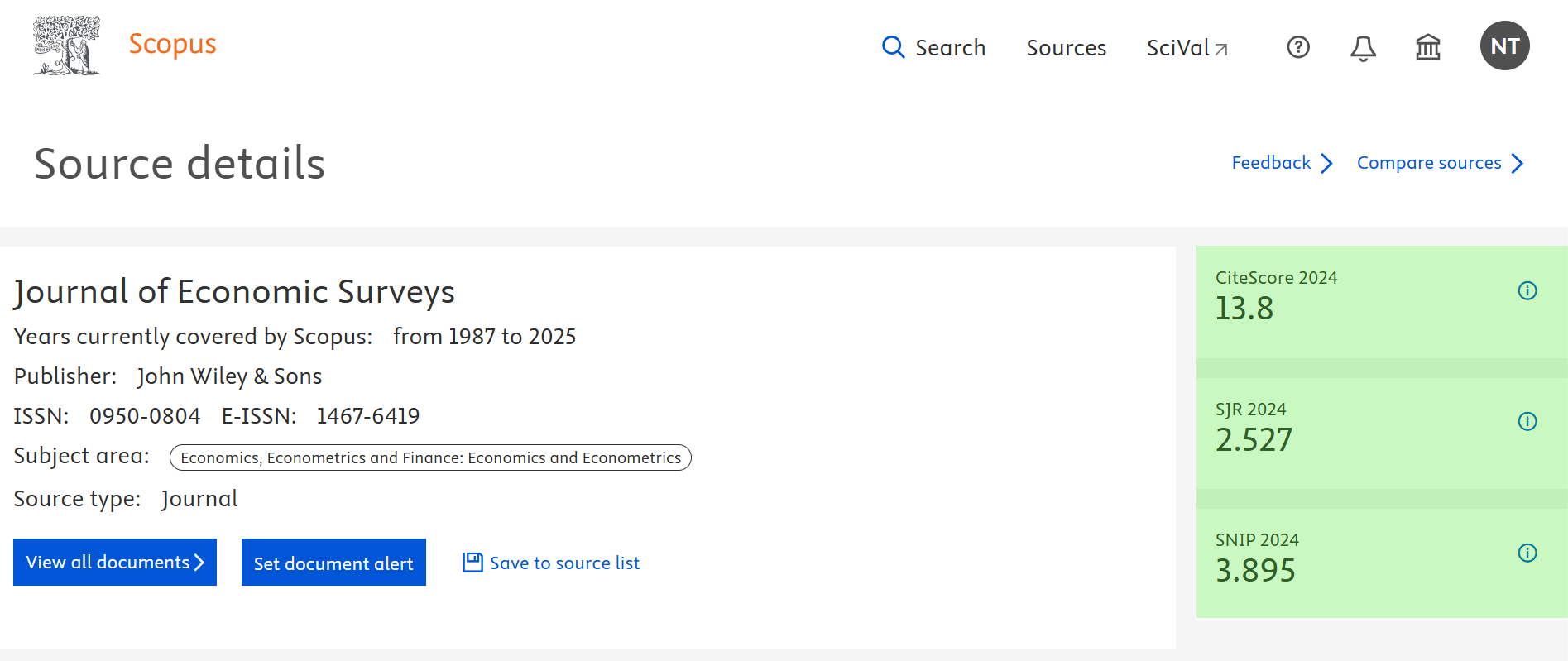
- Within the journal’s record, on the right-hand side, you will find the CiteScore, SJR and SNIP for the last year.
- In the CiteScore section, you will find the journal’s CiteScore percentile, broken down by subject category.
CiteScore and Percentile
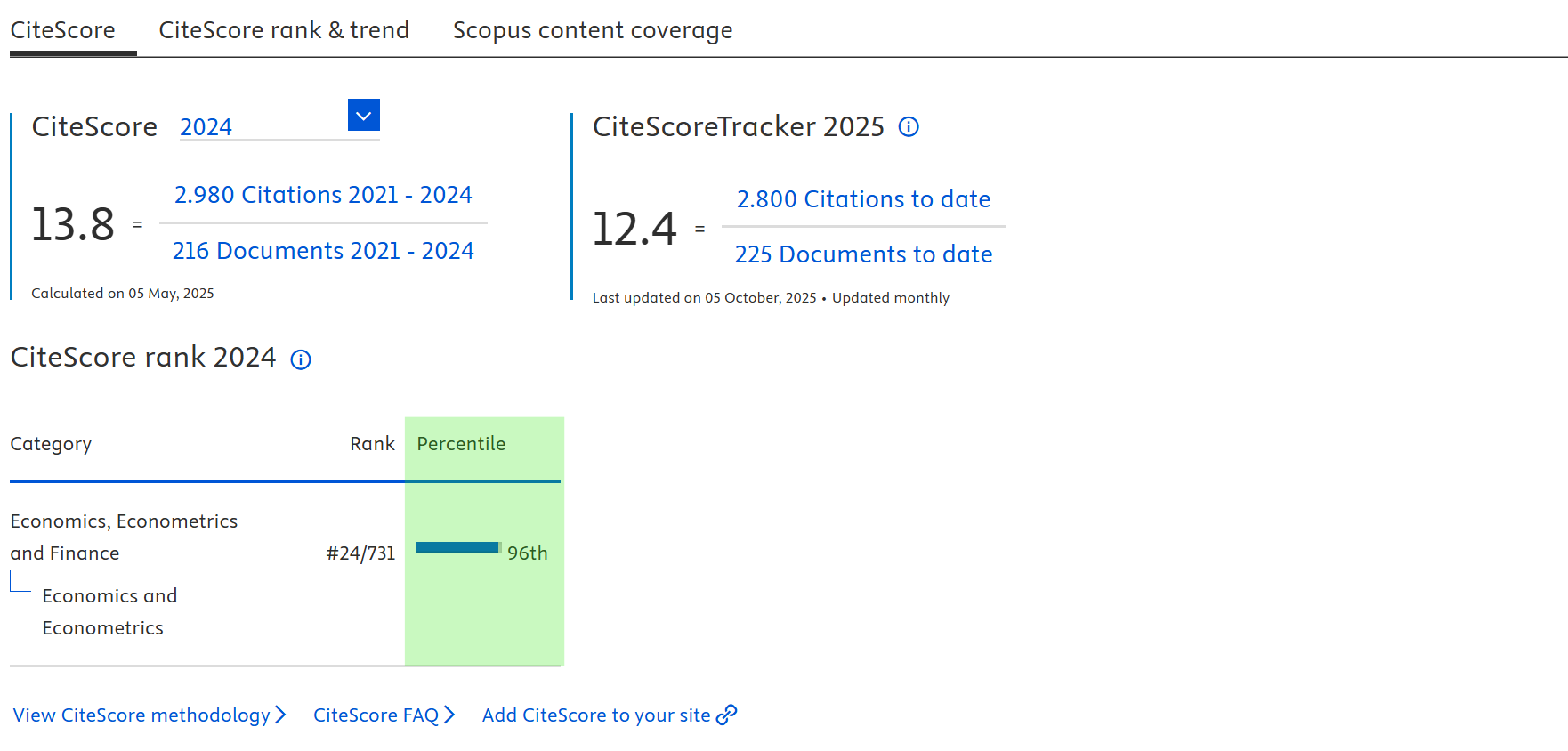
The CiteScore is an indicator that measures the impact of a scientific journal. To calculate it, the total number of citations of its publications (such as articles, reviews, conference papers, book chapters or data articles) over a four-year period is counted and divided by the total number of those same types of publications that the journal published during that period and which are indexed in Scopus.
The percentile complements the CiteScore and provides context for the metric, as it indicates the journal’s position, expressed as a percentage, within the ranking of journals in the same subject category.
SCImago Journal Rankings (SJR)
The SJR is an indicator that assesses the scientific influence of an academic journal. It takes into account not only how much its articles are cited, but also the prestige of the journals making those citations. In other words, receiving a citation from a highly regarded journal carries more weight than receiving one from a less influential one. This indicator is based on data from the Scopus database and is used to compare the relevance of journals within the same field of knowledge over the last three years.

The Scimago Journal & Country Rank is a public portal that lists journals and their indicators based on information contained in the Scopus database (Elsevier B.V.). These indicators can be used to evaluate and analyse scientific journals.
The main metrics provided by the portal are as follows:
SJR (SCImago Journal Rank) indicator
The SJR is an indicator that assesses the scientific influence of an academic journal. It takes into account not only how much its articles are cited, but also the prestige of the journals making those citations. In other words, receiving a citation from a highly regarded journal carries more weight than receiving one from a less influential one. This indicator is based on data from the Scopus database and is used to compare the relevance of journals within the same field of knowledge over the last three years.
How do I check the SJR?
- Go to SCImago Journal Rank.
- Search for the journal by title or ISSN.
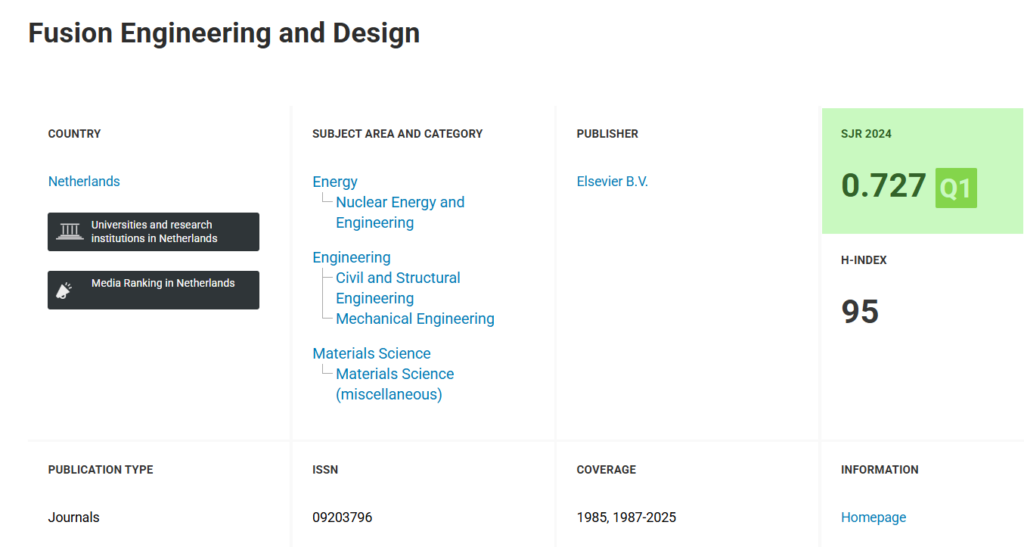
- The SJR for the most recent year can be found in the journal’s entry.
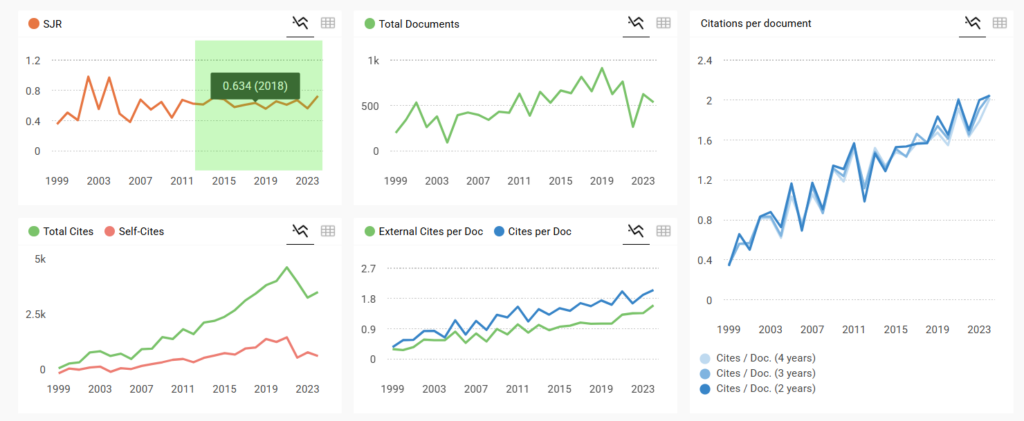
- Below, the first chart shows the SJR for previous years. To view the value for each year, hover your mouse over the line on the chart.
Quartile
A metric that provides context for the SJR, as it places the journal within a descending ranking based on its SJR value, highlighting its position relative to other journals in the same scientific subject category.
The ranking is divided into four distinct tiers: Q1, Q2, Q3 and Q4. A Q1 journal has a greater impact than 75 per cent of the journals in that same category.
How do I check the SJR quartile?
- Go to SCImago Journal Rank.
- Search for the journal by title or ISSN.
- Below the initial information about the journal, there is a table showing the different subject categories covered by the journal; you can find out the quartile it has been ranked in for each year by dragging the mouse over the cell you are interested in.

H-Index
How should the H-index be interpreted?
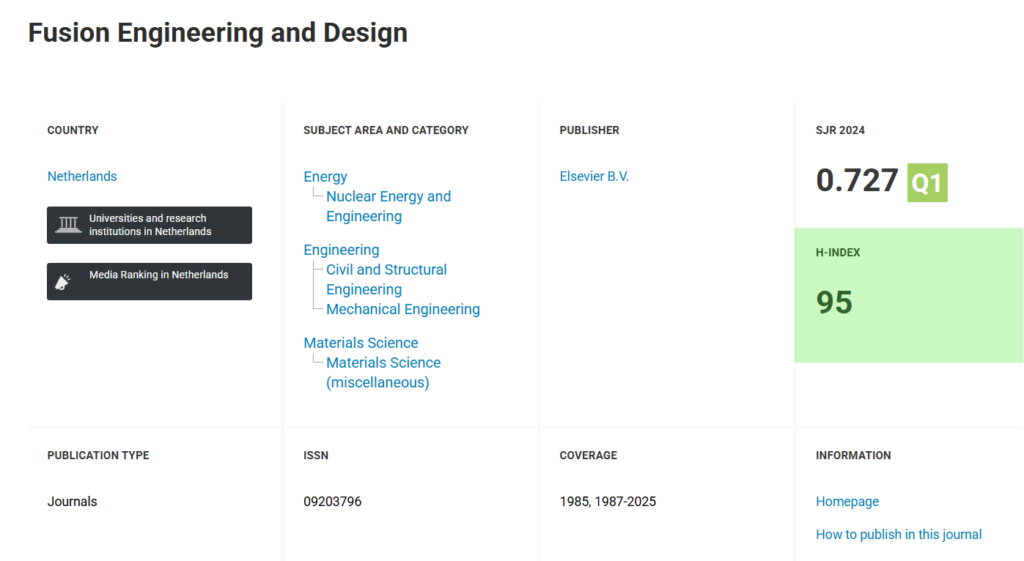
The numerical value of the metric indicates that each set of H articles published in the journal receives at least H citations or more. In other words, a journal with an H-index of 95 means that at least 95 articles have each received 95 citations or more.
How do I check the H-index?
- Go to SCImago Journal Rank.
- Search for the journal by title or ISSN.
- The H-index is listed in the journal’s entry.
Find out more about the list and the full description of the Scimago Journal & Country Rank metrics.

Dialnet Metrics provides the IDR indicators used to calculate and rank the scientific impact of journals in the social sciences and humanities. The metrics are derived from data held in Dialnet and a residual percentage of citations from international databases.
Dialnet Journal Index (IDR) and Quartile
Ranking of journals in the social sciences and humanities by subject area, based on the number of citations received by articles published in the journal, divided by the total number of articles published over the last five years.
How do I check a journal’s IDR and quartile?
- Access Dialnet IDR metrics.
- Search for the journal by title.
- Within the journal’s record, you can view the IDR impact value, its position in the
- subject ranking and the quartile it occupies according to the list of years.
Examples of narrative
The journal Molecules is an international, peer-reviewed scientific publication that stands out for its focus on chemistry and molecular biology, fields that are fundamental to the development of interdisciplinary research. According to the latest data from the Journal Citation Reports (JCR), Molecules has a Journal Impact Factor (JIF) of 4.6, reflecting the high citation rate of its articles and their relevance within the scientific community.
In terms of its ranking within the JCR’s subject categories, Molecules is in the Q2 quartile in both the BIOCHEMISTRY & MOLECULAR BIOLOGY and CHEMISTRY, MULTIDISCIPLINARY categories, indicating a solid performance compared with other journals in the same field. Specifically, it ranks in the 74.5th percentile (82nd out of 320 journals) in Biochemistry and Molecular Biology, and in the 68.4th percentile (76th out of 239 journals) in Multidisciplinary Chemistry. These rankings show that Molecules is above average in both areas, reinforcing its prestige as a publication platform.
The Journal of Economic Surveys is a high-impact journal in the fields of economics and econometrics. According to Scopus 2024 data, it has a CiteScore of 13.8 and an SCImago Journal Rank (SJR) of 2.527, reflecting the high visibility and citation rates of its articles. Its focus on critical and systematic reviews makes it a key resource for researchers seeking in-depth and up-to-date analyses of relevant economic topics.
Within the CiteScore category Economics, Econometrics and Finance > Economics and Econometrics, the journal ranks 24th out of 731 journals, reaching the 96th percentile, which places it in the top 5 % of its field worldwide. This ranking confirms its prestige and the quality of the work it publishes, making it a highly recognised choice for the dissemination of research in the field of economics.
The journal Fusion Engineering and Design is a recognised scientific publication in the field of applied fusion energy engineering. According to SCImago 2024, it has an SJR of 0.727, an indicator that reflects its strong visibility and impact within the academic community. Its interdisciplinary approach positions it as a leading reference for research combining nuclear, mechanical, civil and materials engineering.
In terms of subject classification, the journal is in the Q1 quartile in the categories of Nuclear Energy and Engineering, Civil and Structural Engineering, and Mechanical Engineering, placing it amongst the highest-quality publications in these fields. Furthermore, it is ranked in Q2 for Materials Science (miscellaneous), reaffirming its technical and specialised nature. These results attest to its prestige and make it a suitable platform for the dissemination of high-calibre work in engineering and applied science.
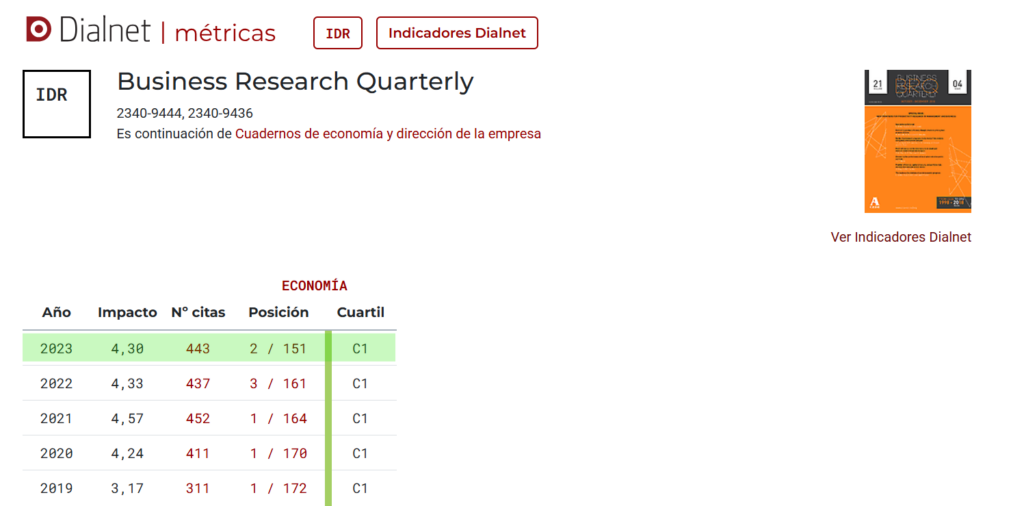
The journal Business Research Quarterly has established itself as one of the leading academic publications in the field of economics and business within the Spanish-speaking world. According to Dialnet Métricas, it has an impact factor of 4.3, with a total of 443 citations, which demonstrates its influence and recognition within the academic community.
Within the subject category of Economics, the journal ranks 2nd out of 151 journals, placing it in the first quartile (Q1).